
 020 3744 3778
Master the Art of Herb Gardening with Ease
Posted on 19/08/2025
Master the Art of Herb Gardening with Ease
Herb gardening is a timeless and rewarding hobby that can transform your meals, enhance your wellbeing, and elevate your home's ambiance. Whether you're a complete beginner or a seasoned green thumb looking to expand your expertise, mastering the art of herb gardening doesn't have to be complicated. With the right knowledge, tools, and a touch of patience, you can cultivate a lush, aromatic garden packed with flavor and fragrance--all at your fingertips!
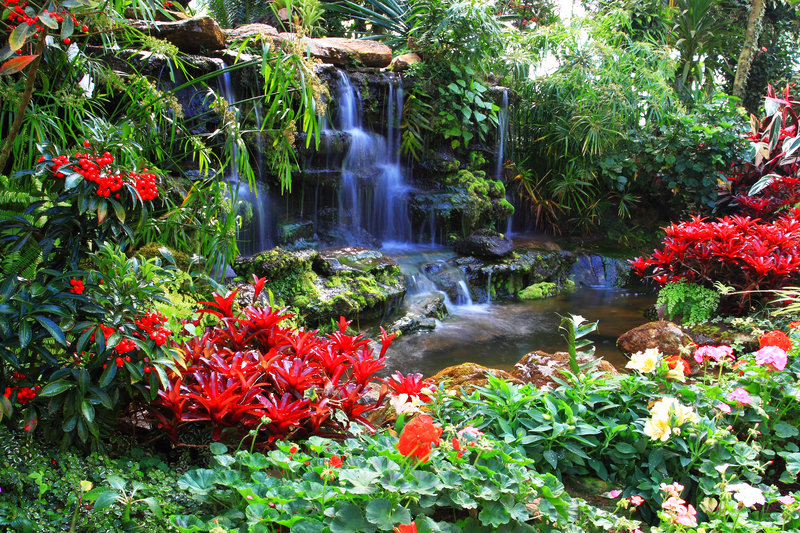
Why Start an Herb Garden? Key Benefits Explained
Growing your own herbs brings a myriad of benefits that go well beyond fresh seasoning. Here's why you should embark on the herb gardening journey:
- Convenience - Fresh herbs available just steps from your kitchen enable you to cook and garnish dishes at a moment's notice.
- Flavorful Dishes - Home-grown herbs have richer flavors compared to store-bought, making every meal a gourmet experience.
- Health Benefits - Most herbs are rich in antioxidants, vitamins, and essential oils that can boost your immune system and promote wellness.
- Cost Savings - Cultivating your own herbs substantially reduces grocery bills, especially for rare or organic varieties.
- Sustainable Living - Growing herbs contributes to a smaller carbon footprint, especially if you use organic gardening methods.
- Therapeutic and Aesthetic Value - The act of gardening is calming and provides a rewarding sense of accomplishment, while the lush foliage adds a decorative touch to any home or balcony.
Getting Started: Herb Garden Essentials
Before diving into herb garden mastery, it's vital to know the basics. Here's what you'll need to set yourself up for success:
Selecting the Perfect Location
- Sunlight - Most herbs thrive in 6-8 hours of sunlight a day. Select a spot such as a south-facing window, patio, or any area that receives ample sunlight.
- Soil - Herbs prefer well-draining, nutrient-rich soil. Opt for a high-quality organic potting mix if planting in containers.
- Accessibility - Place your garden where you can access it easily. Proximity encourages frequent use and proper care.
Choosing the Right Containers
While some gardeners prefer dedicated outdoor plots, container herb gardens are popular for their flexibility and ease of maintenance.
- Material: Choose pots made from ceramic, terra cotta, or recycled materials with drainage holes to prevent root rot.
- Size: Allow ample space for roots. Herbs can be planted individually or grouped in larger troughs.
- Mobility: Lightweight containers can be moved to follow the sun or protect from harsh weather.
Best Herbs for Beginners: Start Your Green Journey
If you're new to herb gardening, start with varieties renowned for their resilience and versatility. Consider these easy-to-grow favorites:
- Basil: A quintessential kitchen herb for Italian and Asian cuisines, basil grows rapidly and prefers warm, sunny locations.
- Mint: Exceptionally hardy, mint thrives even with neglect but is best kept in containers to prevent it from overtaking other plants.
- Parsley: Both curly and flat-leaf parsley offer robust flavor and are rich in nutrients. Start from seeds or seedlings.
- Chives: Boasting a mild onion flavor, chives are perfect for topping salads and baked potatoes. They are perennial, coming back each year.
- Rosemary: This aromatic, drought-tolerant herb is ideal for Mediterranean-style dishes and can be grown indoors or outdoors.
- Thyme: A low-growing, fragrant herb, thyme is perfect for borders and container edges, adding depth to soups and stews.
- Cilantro (Coriander): Essential for salsa and curries, cilantro loves cool weather and can be succession seeded for continuous harvests.
Step-by-Step Guide: How to Master Herb Gardening with Ease
1. Preparing the Soil
- Use loamy, well-drained soil enriched with organic compost. If using containers, choose a proprietary herb or vegetable mix.
- Avoid heavy clay soils, which retain water and can cause root fungal diseases.
2. Sowing Seeds or Planting Seedlings
- Direct Sowing: Many herbs, like dill and cilantro, do best sown directly into the soil. Plant seeds at the recommended depth on the packet.
- Transplanting: Purchase young seedlings for an instant garden. Handle gently to avoid damaging roots.
- Spacing: Ensure at least 6-12 inches between plants, depending on the variety, to allow for healthy air circulation.
3. Caring for Your Herb Plants
- Watering: Keep soil moist but not waterlogged. Most herbs prefer drying slightly between waterings.
- Feeding: Feed with a balanced, organic fertilizer every 4-6 weeks. Avoid heavy feeding, which can lead to excessive leaf growth with diminished flavor.
- Pruning: Regular harvesting and pinching off flower buds encourages bushiness and prolongs the growing season.
- Pest Control: Handpick pests or use mild, organic solutions like neem oil or insecticidal soap.
4. Harvesting and Storing Herbs
- Timing: Harvest just as flower buds begin to form for the most potent flavor.
- Method: Use sharp scissors or pruners, cutting just above a healthy set of leaves to encourage more growth.
- Storage: Use fresh, dry, freeze, or preserve in oil or vinegar to enjoy your homegrown harvest year-round.
Indoor Herb Gardening: Tips for Year-Round Freshness
No garden or balcony? No problem! Master indoor herb gardening with these clever tips:
- Lighting: Place herbs on a sunny windowsill or supplement with LED grow lights, ensuring 12-16 hours of light daily.
- Temperature: Maintain an indoor temperature of 65-75?F (18-24?C) and avoid placing herbs near drafty windows or heat sources.
- Humidity: Most herbs prefer moderate humidity. Mist plants regularly or use a humidity tray if air is very dry.
- Container Choice: Use self-watering pots or those with drainage trays to prevent waterlogging.
Advanced Tips: Elevate Your Herb Garden Mastery
Companion Planting for Thriving Herbs
Certain herbs thrive when grown together, offering each other natural protection and boosting growth. Explore combinations like:
- Basil & Tomatoes: Basil helps repel aphids and enhances the flavor of tomatoes when planted nearby.
- Thyme & Cabbage Family: Thyme deters cabbage worms and is a natural insect repellent.
- Chives & Carrots: Chives ward off carrot flies and add a subtle flavor to dishes.
Hydroponic Herb Gardening
For high-tech enthusiasts, hydroponic herb gardening offers rapid and year-round growth without soil. All you need is a hydroponic kit and quality liquid nutrients! This method is perfect for small spaces and urban dwellers.
Vertical Herb Gardens
Limited space? Vertical herb gardens allow you to grow a variety of herbs using wall-mounted planters, hanging baskets, or repurposed pallets. Not only do they save space, but they also create stunning visual displays.
Seasonal Care: Year-Round Herb Gardening Strategies
- Spring: Sow seeds indoors or outdoors, depending on your climate. Prune back perennial herbs to encourage new growth.
- Summer: Keep a regular watering schedule, mulch to retain moisture, and deadhead flowers to prolong harvests.
- Autumn: Harvest and preserve herbs. Bring tender perennials indoors before frost or transfer to containers.
- Winter: Focus on indoor herb gardening mastery. Supplement with grow lights and monitor for pests.
Common Mistakes and How to Avoid Them
- Overwatering: Roots drown in saturated soil. Allow soil to dry slightly before the next watering.
- Underfeeding: Nutrient-deficient soil leads to pale, weak plants. Use an organic fertilizer regularly.
- Poor Light: Leggy stems and faded leaves result from insufficient light. Relocate to sunnier areas or use artificial lighting.
- Neglecting Pruning: Herbs become woody and less productive. Harvest regularly and trim back often.
- Mixing Incompatible Herbs: Some herbs have different water and light needs. Group similar varieties together.
Herb Gardening for the Kitchen: From Garden to Table
Part of the joy in perfecting the craft of herb gardening is savoring the flavor of your labor. From classic pesto to fresh mint tea, the possibilities are endless! Get creative by:
- Adding sprigs to salads, soups, and sauces for an instant flavor boost.
- Infusing oils, vinegars, or spirits with harvested herbs.
- Freezing chopped herbs in ice cube trays with olive oil for instant cooking flavor bombs.
- Baking with herbs like rosemary, thyme, or lavender for floral, aromatic treats.

Troubleshooting: Frequently Asked Questions About Herb Gardening
How Often Should I Water My Herbs?
Most herbs prefer soil that is allowed to dry out between waterings. A good rule of thumb is to check moisture with your finger--water only when the top inch feels dry.
Can Herbs Be Grown All Year Round?
Many culinary herbs can be grown indoors year-round with sufficient light and warmth, especially basil, chives, mint, and oregano.
Do My Herbs Need Fertilizer?
Yes, but sparingly. Over-fertilized herbs may lose flavor, so use a diluted, balanced organic fertilizer every few weeks during the growing season.
What Can I Do About Pests?
Prevent problems by maintaining healthy soil and adequate spacing. Pick off pests by hand, or use organic remedies such as neem oil. Avoid chemical pesticides on edible plants.
Conclusion: Embrace the Simplicity of Herb Gardening Mastery
With the tips, insights, and best practices shared above, herb gardening mastery is well within your reach. No matter the size of your space or your prior experience, cultivating your own herbs is a delightful way to connect with nature, enhance your culinary creations, and contribute to a healthier lifestyle.
So, roll up your sleeves and start your herb gardening journey today! With a little patience and curiosity, you'll soon be enjoying a lush, vibrant, and endlessly useful herb garden that makes every meal and every breath at home a little bit fresher.
Latest Posts
Ultimate Guide to Shielding Garden Plants This Winter
Design a Harmonious Zen Garden for Mindful Relaxation
Designing a Dog-Proof Garden Sanctuary