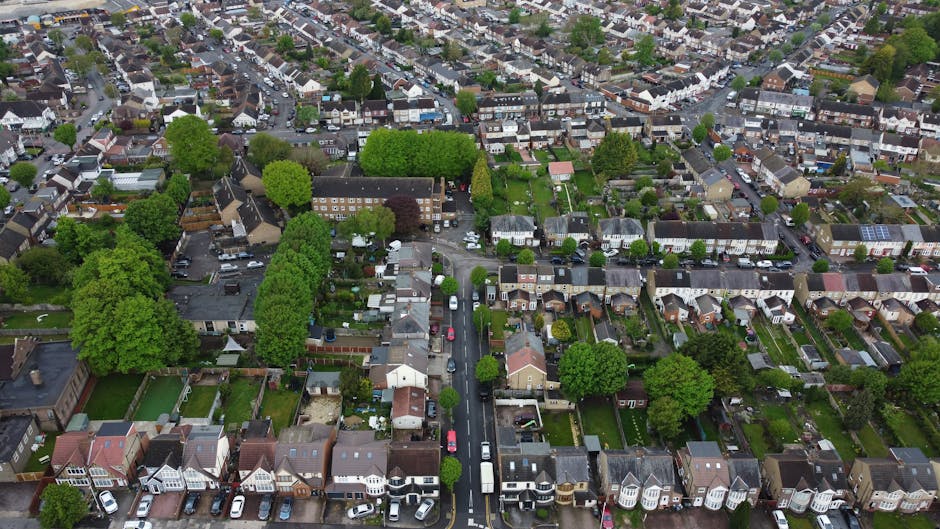
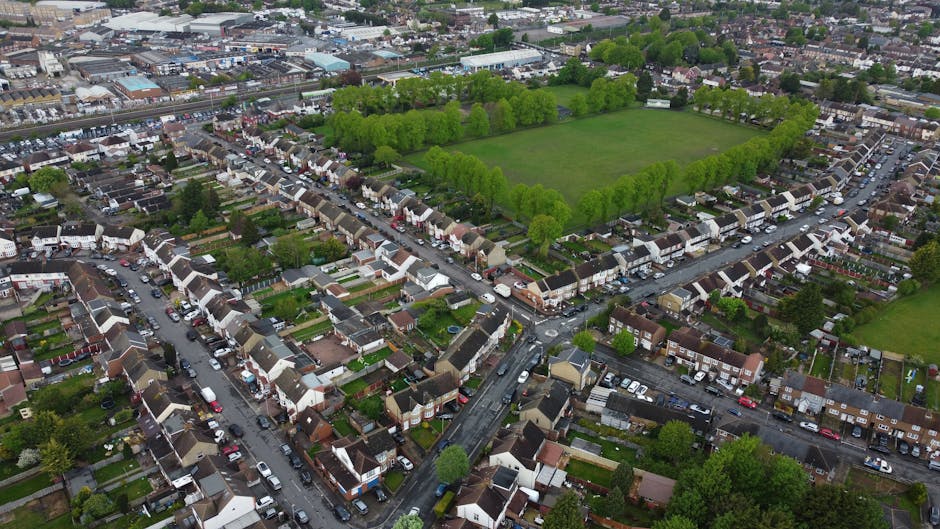
Sidcup gardeners guide for DA14 homes near Sidcup Broadway
If you live in DA14 and your garden sits somewhere near Sidcup Broadway, you already know it can be a bit of a mixed bag: front gardens that need to look neat all year, back gardens that pick up shade, wind, and weeds in equal measure, and small spaces that still have to work hard. This Sidcup gardeners guide for DA14 homes near Sidcup Broadway is here to make all that feel simpler. Whether you want a tidier lawn, a safer family space, more privacy, or just less weekend panic about what's growing where, the right approach makes a real difference.
In our experience, many local gardens do not need a dramatic overhaul. They need a clear plan. A few smart plant choices, proper maintenance timing, and a practical eye for layout can transform even an awkward plot. And yes, a bit of patience helps too. Gardening has a way of rewarding people who do the simple things consistently, which is reassuring, even if it is not glamorous.
This guide covers what local homeowners usually face, how to plan work sensibly, what methods suit DA14 properties, and when to consider support from a professional team. You'll also find a checklist, a comparison table, and a useful FAQ section to help you decide your next step without second-guessing yourself.
Why Sidcup gardeners guide for DA14 homes near Sidcup Broadway Matters
Gardens around Sidcup Broadway often have to do more than look pleasant. They have to handle commuter traffic dust, periods of dry weather, bursts of heavy rain, and the usual UK garden challengers: weeds, moss, overgrown hedges, and a lawn that seems to have mood swings. For DA14 homes, that can mean the difference between a space you enjoy and a space you avoid.
This matters because local gardens are rarely "blank canvases." They already have something going on. A mature hedge, a narrow side return, tree shade from neighbouring plots, a front garden that needs kerb appeal, or a paved area that gets slippery. The best gardening decisions near Sidcup Broadway are the ones that work with those conditions rather than fighting them.
Let's face it, a garden is only useful if you can actually live with it. A seating area nobody uses, a lawn that is always patchy, or planting that looks lovely for three weeks and then collapses is not really a win. A sensible plan gives you seasonal interest, easier upkeep, and a garden that feels calmer to look at. That calm is worth a lot on a busy weekday evening.
For many homeowners, the biggest value is confidence. You know what to trim, what to leave, what to feed, and what to replace. You know how to make decisions that suit the property rather than copy a glossy idea from somewhere else. If you want a broader sense of what support is available, the main gardening services page is a useful place to start, especially if your garden needs more than one type of job.
How Sidcup gardeners guide for DA14 homes near Sidcup Broadway Works
The practical side of local garden care usually starts with observation. Before you reach for the mower or the pruning shears, look at how sunlight moves, where water sits after rain, which areas dry out first, and what parts of the garden feel awkward. That simple survey saves time later. It sounds obvious, but plenty of garden problems begin because someone rushed straight into tidying without understanding the site.
In DA14, a good working method is often layered. First you clear, then you improve, then you maintain. A neglected border, for example, might need weed control, soil improvement, re-edging, and fresh planting in stages. A tired lawn may need mowing, scarifying, feeding, and better watering habits rather than one dramatic treatment.
Here is the general rhythm that works well in local gardens:
- Assess the space - note light, shade, drainage, access, and the amount of maintenance you can realistically manage.
- Set priorities - decide whether you need more privacy, safer paving, better planting, or cleaner boundaries first.
- Tackle the structure - hedges, trees, fences, paving, and lawn shape often matter more than small decorative tweaks.
- Improve the growing conditions - soil, mulch, compost, and plant selection all influence how much work the garden creates later.
- Build a routine - little and often usually beats a big rescue job once a year. Truth be told, that's where most gardens go wrong.
When the job is more technical, the method changes. Hedge reduction, stump and tree work, or structural landscaping may need specialist handling. For example, if a boundary tree is shading everything or dropping debris in a way that affects the whole plot, it may be better to explore tree surgery support rather than repeatedly trimming around the problem.
The key thing is this: the garden should be planned as a whole, not treated like a series of unrelated chores. That is how you get lasting results.
Key Benefits and Practical Advantages
A well-managed garden in DA14 can improve daily life in ways people often underestimate. Of course, it looks better. But the practical gains are what keep homeowners coming back to a steady maintenance routine.
- Lower stress: A tidy, legible garden is simply easier to live with. You open the back door and things feel under control.
- Better safety: Clear paths, stable paving, pruned growth, and managed edges reduce everyday trip hazards.
- Improved privacy: The right hedges, climbers, and boundary planting make gardens feel more secluded without making them gloomy.
- Stronger kerb appeal: Front gardens near busier roads or commercial stretches benefit from neat edges and healthy planting.
- More usable space: With good layout decisions, even compact gardens can hold a seating area, storage, planting, and a bit of breathing room.
- Less long-term work: Sensible plant choices and better soil handling reduce future maintenance headaches.
There is also a quiet financial benefit. When a garden is maintained properly, you avoid the kind of snowball issues that become expensive later: rotten timber, damaged paving, invasive roots, or hard-to-recover lawns. That does not mean every garden needs premium treatments, by the way. Sometimes the best money-saving move is just regular upkeep and not letting things slide.
For homeowners who want a more polished finish, it can help to think in layers. Ground cover, hedging, and seasonal structure work together. If you are exploring planting that reduces bare soil and suppresses weeds, the guide to ground covers for UK gardens is a very practical companion read.
Who This Is For and When It Makes Sense
This guide is useful for a few different types of DA14 homeowner. You may recognise yourself in one of these situations.
- Busy families: You want a safe, manageable outdoor space without spending every Saturday managing it.
- Homeowners preparing to sell: You need the garden to make the property feel cared for, not forgotten.
- First-time buyers: You have inherited a garden with character, but maybe also a bit of chaos.
- Older residents: You want to keep the garden attractive without too much bending, lifting, or repeated heavy work.
- Landlords and tenants: You need standards kept up, especially where access, edges, and cleanliness matter.
- People with awkward plots: Shaded gardens, narrow side returns, windy corners, or busy boundaries all benefit from a plan.
Sometimes it makes sense to start with maintenance rather than redesign. If the core issue is that the garden simply keeps getting messy, a regular routine through a garden maintenance service may be the smartest first step. If the grass is the biggest problem, then it may be more efficient to focus on lawn care or consistent lawn mowing before anything else.
When the question is less about upkeep and more about transformation, landscaping becomes the better fit. That is especially true if you want new levels, a seating area, better drainage, or a stronger division between zones. Not every garden needs a redesign, but some absolutely do.
Step-by-Step Guidance
Below is a straightforward way to approach a DA14 garden near Sidcup Broadway without overcomplicating it. Small steps, sensible order. That is the trick.
1. Start with a clean slate
Remove dead growth, fallen leaves, loose rubbish, and anything that hides the real condition of the space. You cannot judge a lawn or border accurately if it is buried under debris. In spring this can feel slightly dramatic, like opening a cupboard and finding far too much in there, but it is worth doing.
2. Deal with the obvious pressure points
Look for weeds, overgrown hedges, ivy, blocked paths, and slippery paving. These are the jobs that interfere with daily use, so they come first. For difficult weed growth, a focused approach works better than random pulling. There is a useful overview in the article on effective weed control.
3. Decide whether the garden needs privacy or openness
Some DA14 gardens feel too exposed, especially front-facing plots or back gardens overlooked by neighbouring properties. If that is the issue, hedge choice matters. Fast-growing hedges can provide screening, but they must be chosen with care so they do not become a maintenance burden. The article on rapid-growing hedges is handy here, as is this local hedge trimming option if you already have mature boundaries to keep in shape.
4. Improve the planting structure
Mix evergreen structure with seasonal colour. That way the garden never looks stripped back for half the year. Climbers can soften fences and walls, ground cover can suppress weeds, and herbs or small shrubs can bring the garden closer to the house. If you have a shady corner, evergreen climbers can be especially useful. They lend shape without demanding constant fuss.
5. Make the space usable
It is a small thing, but it changes everything: a garden becomes much more enjoyable when there is somewhere to sit. That could be a compact bench, a paved nook, or a simple decking area. A well-placed seating zone turns a garden into a place you actually use rather than just look at. You can explore more ideas in the guide to crafting beautiful garden seating zones.
6. Set a maintenance rhythm
Once the garden is in decent shape, keep it there. A fortnightly trim here, a monthly tidy there, seasonal feeding, and a quick look after high winds or heavy rain. That rhythm is far easier than waiting until everything becomes urgent.
Expert Tips for Better Results
A few local habits make a big difference in DA14 gardens. Not glamorous, just effective.
- Use the edges properly: Sharp lawn edges and neat border lines make a garden feel finished even before the planting is perfect.
- Choose plants for conditions, not wishful thinking: A sun-lover planted in shade will always look a bit disappointed. Plants are honest that way.
- Keep pathways clear: A garden should be easy to walk through, even if it is small.
- Think vertically: Fences, walls, and trellises are valuable in compact Sidcup plots. Vertical planting adds interest without taking up much room.
- Mulch after improving beds: It helps the soil hold moisture and keeps weeds down, which is one of those unglamorous jobs that saves hours later.
- Prune with purpose: Remove crossing, dead, or congested growth rather than just hacking away because it looks messy.
If you are trying to make a narrow garden feel fuller, the article on vertical gardening gives useful ideas without making the space feel cluttered. And if the weather is a real concern - wind, frost, or sudden heavy rain - it is sensible to plan around protection too. See garden safety from extreme weather for a practical angle.
A small human note here: if you ever find yourself standing in the garden at 8:15 on a damp Saturday wondering why the weeds are winning, you are not alone. Nearly everyone gets that moment. The answer is usually not a miracle product. It is a steady routine and a little restraint.
Common Mistakes to Avoid
Some garden mistakes are harmless. Others quietly create extra work for years. The aim is to avoid the second kind.
- Overplanting: Filling every square foot looks ambitious at first, then turns into crowding and poor airflow.
- Ignoring drainage: Patchy lawns, waterlogged borders, and mossy paving often trace back to drainage issues.
- Choosing the wrong hedge: A hedge that grows too fast for your upkeep level becomes a problem, not a privacy feature.
- Skipping soil care: Plants cannot thrive if the soil is tired, compacted, or starved.
- Cutting too much at once: Heavy pruning can stress shrubs and leave awkward gaps.
- Letting ivy or climbing plants spread unchecked: They can look charming, then suddenly not charming at all. If ivy is already taking over, the guide to conquering ivy is worth a read.
- Forgetting the garden's purpose: A family garden, a rental garden, and a relaxation garden do not need the same layout.
One of the biggest errors, honestly, is designing for a perfect weekend you never actually have. Be realistic. If you can spare twenty minutes, not two hours, plan for that. Your future self will thank you.
Tools, Resources and Recommendations
You do not need a huge toolkit to keep a DA14 garden in good order, but the right basics make the work easier and safer.
- Secateurs: For clean pruning of smaller stems and dead growth.
- Hedge trimmer or shears: Useful for maintaining boundary hedges and formal shapes.
- Rake and leaf collector: Great for autumn clean-ups and lawn preparation.
- Spade and fork: Helpful for soil improvement, dividing plants, and border work.
- Wheelbarrow or tub: Makes clear-outs much easier than carrying everything by hand.
- Gloves and eye protection: Basic, but worth it. No one enjoys a thorn surprise.
If you are building your toolkit from scratch, the article on must-have gardening tools is a sensible place to start. For soil improvement, converting organic waste into better soil can be a practical route if you compost properly and keep materials balanced.
For people who prefer lower-maintenance planting, container schemes can be a surprisingly good answer. They give you control over soil, drainage, and position. That is especially handy near paved forecourts or patios. You can also look at container gardening basics if you want a bit more structure without committing to a full redesign.
And if budget is tight? That is fine. There are plenty of modest improvements that still make a garden feel cared for. The guide to budget-friendly garden ideas is worth keeping nearby.
Law, Compliance, Standards, or Best Practice
Garden work in London is usually straightforward, but there are a few best-practice points worth keeping in mind. If trees are involved, you need to be careful about ownership, boundary positions, and whether any tree protection considerations apply. If in doubt, get proper advice before cutting hard. That is not being overcautious; it is just sensible.
For work at height, power tools, manual handling, and waste removal, safe working practice matters. A professional gardening team should have clear health and safety procedures, suitable insurance, and a tidy approach to site management. It sounds basic, but you would be surprised how often those basics get overlooked.
It is also wise to use service terms that are clear about scope, access, and payment. If you are comparing providers, look at their health and safety policy, insurance and safety information, and payment and security details. Those pages help set expectations and reduce surprises later.
For general consumer confidence, transparency matters too. Good providers make it easy to understand how quotes work, how complaints are handled, and what you are agreeing to. If you are comparing options, the pricing and quotes page and the complaints procedure are worth checking before you book anything. It is a small bit of homework that can save a bigger headache.
Options, Methods, or Comparison Table
Different gardens need different approaches. Here is a simple comparison to help you decide what fits best.
| Approach | Best for | Strengths | Watch out for |
|---|---|---|---|
| Regular maintenance | Most family gardens and small urban plots | Keeps things tidy, manageable, and predictable | Can become repetitive if the garden is structurally weak |
| Lawn-focused care | Homes where grass is the main feature | Improves appearance quickly and supports safer play areas | Needs consistent attention through the seasons |
| Hedge and boundary work | Gardens needing privacy or cleaner edges | Creates structure and screening | Wrong trimming can leave gaps or weak growth |
| Light landscaping | Awkward layouts, drainage issues, tired paving | Improves how the garden functions, not just how it looks | Costs and scope can rise if the redesign is broad |
| Plant-led softening | Fences, walls, shady corners, and small courtyards | Adds texture, seasonal interest, and wildlife value | Needs the right plant for the right place |
If you are unsure which route to take, ask yourself one question: do I need the garden to look better, work better, or both? That simple split usually reveals the right path. And yes, sometimes it is both. Usually, actually.
Case Study or Real-World Example
Here is a realistic example from a typical DA14-style home near a busy stretch like Sidcup Broadway. A homeowner had a narrow rear garden with a patchy lawn, an overgrown side hedge, a shaded corner that never seemed to hold anything, and paving that had gone slightly green after a wet spell. The garden was not hopeless. Just tired.
The first move was not redesign. It was clearing. Dead leaves, fallen twigs, old pots, and a few weeds that had clearly overachieved. Then the hedge was reduced carefully, the paving was cleaned, and the lawn was edged and improved. The shady corner was softened with evergreen structure rather than trying to force flowers that would struggle there. A simple seating spot was added near the back door, which made the whole place feel more intentional.
What changed? Not the size. Not the postcode. The feeling changed. The garden became usable after work, better for weekend coffee, and much easier to keep on top of. That is the kind of result local homeowners usually want. Practical, not theatrical.
For the final stages, the homeowner later added a small planting scheme and moved to a regular upkeep plan rather than letting the space drift again. A tidy garden is not a one-off event. It is a habit. A pretty good one, to be honest.
Practical Checklist
Use this checklist before you start, or before you book help.
- Check where the garden gets sun, shade, and wind through the day.
- Identify the most urgent problems: weeds, hedge growth, lawn condition, paving, drainage, or clutter.
- Decide whether privacy, storage, seating, or safety is the priority.
- Remove debris so you can see the garden properly.
- Cut back only what genuinely needs cutting back.
- Improve soil before adding more plants.
- Choose plants suited to the site, not the dream version of the site.
- Keep pathways and access areas clear.
- Set a realistic maintenance schedule you can actually keep.
- Review whether you need specialist help for trees, fencing, landscaping, or heavy clearance.
Expert summary: The best DA14 gardens are usually not the most elaborate ones. They are the ones that balance neat structure, sensible planting, and maintenance that fits real life. If the garden looks good but is too hard to live with, the design is wrong. Simple as that.
Get a free quote today and see how much you can save.
Conclusion
A garden near Sidcup Broadway does not need to be perfect to be a pleasure. It needs to be workable, tidy, and suited to the way you live. That is the heart of this Sidcup gardeners guide for DA14 homes near Sidcup Broadway: get the structure right, keep the upkeep realistic, and choose improvements that genuinely help your day-to-day life.
If you take one thing away, let it be this: start with the basics. Clear the space, solve the obvious problems, then build from there. A better garden often begins with a few sensible decisions rather than a full makeover. And if the job feels too big, that is fine too. Many people reach that point. It just means the garden is ready for a proper plan.
For more about the team and how they work, you can also learn more on the about us page. If you are ready to move from reading to action, a straightforward conversation is usually the best next step.
There is something quietly uplifting about a garden that finally feels under control. You notice it the moment you step outside.
Frequently Asked Questions
What does a local gardener in DA14 usually help with?
Typical work includes lawn mowing, hedge trimming, border tidying, weed control, pruning, planting, seasonal maintenance, and sometimes cleaning patios or improving boundaries. The exact mix depends on the property and how much upkeep it needs.
How often should a garden near Sidcup Broadway be maintained?
It depends on the size and planting style, but many gardens benefit from light attention every one to two weeks during the growing season. In quieter months, a monthly check can be enough to keep things moving in the right direction.
Is regular garden maintenance better than occasional big tidy-ups?
Usually, yes. Regular upkeep prevents the garden from becoming overwhelming. Big tidy-ups are useful after a period of neglect, but they are harder work and often more expensive to repeat.
What is the best way to improve privacy in a small DA14 garden?
Hedges, climbers, and carefully placed planting screens are often the best answer. They soften the space without making it feel boxed in. The right choice depends on sunlight, height limits, and how much maintenance you are willing to do.
Can a shaded garden still look attractive?
Absolutely. Shade gardens can be excellent if they use the right mix of evergreen structure, shade-tolerant planting, and good hard landscaping. The trick is not to fight the shade, but to work with it.
What should I do about ivy that is taking over a fence or wall?
Deal with it sooner rather than later. Ivy can become much harder to manage once it spreads. Careful removal and controlled pruning are usually better than a sudden heavy cut, especially if it has been there a long time.
Do I need a full landscaping project, or just maintenance?
If the garden is basically sound but untidy, maintenance may be enough. If the layout is awkward, drainage is poor, or the space does not function well, then landscaping could make more sense. A quick assessment usually clarifies the answer.
What tools are most useful for a homeowner to keep on hand?
Secateurs, gloves, a rake, a spade, basic hedge-cutting tools, and a wheelbarrow or sturdy garden tub cover most everyday jobs. The best toolkit is the one you will actually use, not the one that looks impressive in the shed.
Are there any safety checks I should do before garden work?
Yes. Check for trip hazards, unstable paving, hidden cables, low branches, slippery surfaces, and thorny or irritating plants. If you are using power tools or working at height, safety should come first and you should not rush it.
How do I keep a lawn healthy without overcomplicating it?
Stick to the basics: mow regularly, avoid cutting too short, clear debris, feed when needed, and watch for compaction or bare patches. Good lawn care is mostly steady habits, not dramatic treatments.
Can container gardening work for DA14 homes?
Yes, very well. Containers are ideal where space is tight, soil is poor, or you want more control over placement. They also work nicely near patios, front entrances, and small paved areas.
How do I know if a gardener is trustworthy?
Look for clear communication, straightforward pricing, sensible safety information, and a willingness to explain the work properly. Pages such as terms and conditions and privacy policy help show how professionally a business is run.
What should I ask for in a quote?
Ask what is included, how long the work may take, whether waste removal is covered, and whether the quote is for a one-off visit or ongoing care. Clear scope is the difference between a smooth job and a confusing one.
When is the best time to start improving a neglected garden?
Any time you are ready is better than waiting for the perfect moment. Spring and early autumn are popular because planting conditions are often kinder, but clearing and planning can happen year-round.
How do I contact the team for help with my garden?
If you want to talk through your garden and get practical next steps, use the contact page to make an enquiry. A short conversation often makes the whole job feel much more manageable.