
 020 3744 3778
Vertical Gardening: A Modern Green Solution
Posted on 15/08/2025
Vertical Gardening: A Modern Green Solution for Urban Spaces
As cities grow and living spaces shrink, innovative gardening techniques are transforming the way we think about greenery. One such trend making waves is vertical gardening -- an ingenious solution that brings lush landscapes to limited horizontal spaces.
What is Vertical Gardening?
Vertical gardening, also known as living wall gardening, involves growing plants upwards using supports, structures, or containers attached to walls, fences, or free-standing frames. Unlike traditional gardens that spread across the ground, these gardens rise triumphantly, converting blank surfaces into thriving pockets of life. From residential balconies to urban courtyards and even office complexes, vertical gardens are revolutionizing the possibilities for green design.
The Origins and Evolution of Vertical Gardens
The concept of vertical gardens isn't entirely new. Ancient civilizations, perhaps most famously the Babylonians with their Hanging Gardens, integrated plant life with architectural marvels. However, the modern vertical garden emerged in the late 20th century, thanks to innovators like botanist Patrick Blanc. Through advances in horticulture and construction technology, what was once a novelty has become an accessible reality for homeowners, businesses, and urban planners alike.
Benefits of Vertical Gardening
- Space Efficiency: Vertical gardens make use of otherwise unused vertical surfaces, ideal for apartments, condos, and dense cities.
- Improved Air Quality: Plants naturally filter toxins from the air, and a vertical plant wall can significantly improve indoor and outdoor air quality.
- Thermal Insulation: Green walls act as natural insulators, helping to regulate building temperatures, reducing energy consumption for heating or cooling.
- Enhanced Aesthetics: A well-designed vertical garden system turns plain surfaces into vibrant, living art.
- Increased Biodiversity: Living walls can attract pollinators and beneficial insects, supporting urban ecology.
- Stress Reduction: Exposure to greenery has been shown to reduce stress, boost mood, and increase productivity.
Vertical Gardening Systems: Types and Methods
There are multiple approaches to vertical gardening, each catering to different budgets, aesthetics, and gardening experience.
1. Modular Panel Systems
These systems employ standardized panels or trays pre-populated with plants, often equipped with integrated irrigation and drainage. Ideal for large-scale or commercial projects, modular green walls create dramatic impact with minimal maintenance.
2. Pocket Planters
Fabric or plastic pockets are mounted to a wall or fence, allowing for individual plantings. This method is particularly popular for home use and beginner gardeners--simply slip seedlings or small plants into each pocket, and watch your wall come to life.
3. Trellis and Climbing Supports
One of the most cost-effective vertical gardening techniques. Install a trellis or mesh and encourage climbing plants like beans, peas, or vining flowers to ascend. Not only does this save space, but it also yields productive edible vertical gardens.
4. Shelf and Stackable Systems
Repurpose shelves, ladders, or stackable planters to create ascending levels of greenery. This flexible approach works indoors and outdoors, and is perfect for growing herbs or succulents.
5. DIY Upcycled Vertical Gardens
Use recycled materials such as wooden pallets, old gutters, or bottles to construct a custom vertical plant structure. Not only is this environmentally friendly, but it adds a unique, personal touch to your space.
Best Plants for Vertical Gardens
Selecting the right plants is crucial for a thriving living wall garden. Consider these top choices, based on their adaptability, low maintenance, and aesthetic appeal:
- Ferns: Lush and shade-tolerant, ferns, such as Boston and maidenhair, are staples of shaded vertical gardens.
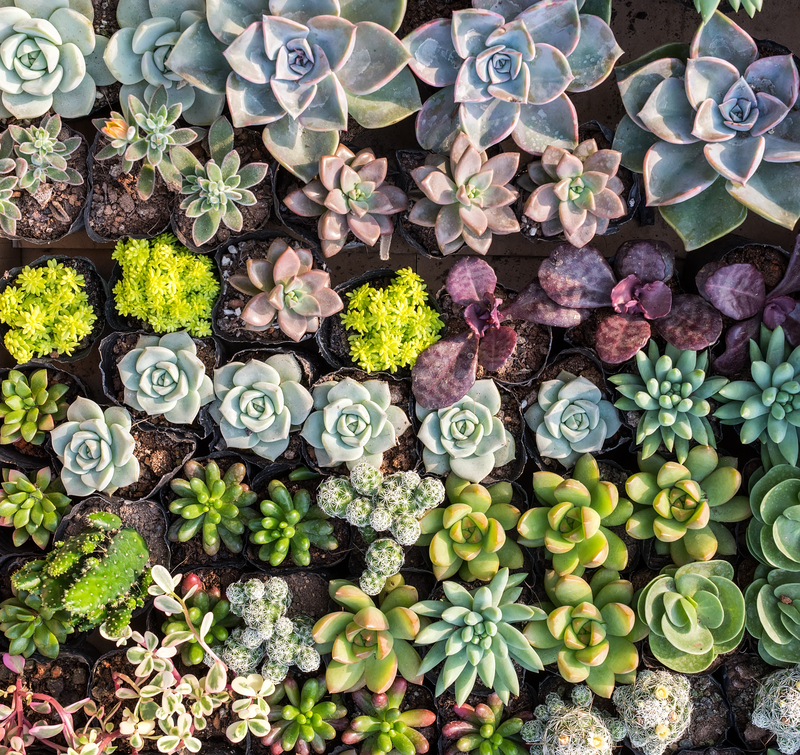
- Succulents: Hardy and drought-tolerant, varieties like echeveria and sedum require minimal watering.
- Herbs: Mint, basil, thyme, and parsley thrive in vertical pockets--perfect for culinary enthusiasts.
- Ornamental Grasses: Add texture and movement to your vertical green wall design.
- Flowering Plants: Petunias, nasturtiums, and pansies inject bright color and seasonal variety.
- Vegetables: Cherry tomatoes, lettuce, spinach, and strawberries can all be grown vertically with proper support.
- Air Plants (Tillandsia): These unique plants anchor without soil, making them ideal for lightweight or artistic arrangements.
Tips for Choosing the Right Plants
- Assess Light Conditions: Match plants to the amount of sunlight your wall receives--shade lovers for north-facing, sun-lovers for south-facing exposures.
- Consider Climate: Opt for species adapted to your region to reduce maintenance needs and increase plant health.
- Mix Species: A variety of plant colors, textures, and sizes create stunning visual interest and boost ecological resilience.
How to Set Up Your Own Vertical Garden
Setting up a vertical gardening wall is easier than ever, thanks to accessible kits and creative DIY options. Here's a step-by-step guide:
1. Select Your Location
Choose a spot with adequate light and shelter from harsh winds or temperature extremes. Consider drip or automatic irrigation access, and ensure the wall can support your chosen system's weight, especially after watering.
2. Choose Your System
From modular panels to pockets or trellises, balance your available budget, wall size, and aesthetic preferences. Upcycled materials can also provide a cost-friendly, eco-friendly alternative.
3. Prepare the Surface
- Ensure the wall or fence is clean, stable, and capable of supporting moisture and plant weight.
- Install waterproof membranes if necessary to protect structures from water damage.
- Mount your chosen vertical gardening system securely.
4. Choose and Install Plants
- Arrange plants while considering lighting needs and mature sizes.
- Mix trailing, mounding, and upright species for maximum vertical garden impact.
- Install plants with fresh potting soil and provide ample water during the initial establishment period.
5. Set Up Irrigation
- Automatic drip irrigation is ideal for larger green walls.
- For smaller or indoor setups, hand watering may suffice--ensure thorough coverage to all vertical levels.
6. Maintain Your Vertical Garden
- Regularly prune, fertilize, and monitor for pests or diseases.
- Check for leaks or drainage issues and address promptly to protect plants and surfaces.
- Add new plants to replace seasonal losses or update the aesthetic for a fresh look.
Eco-Friendly Impact: Sustainability & Urban Life
Incorporating vertical gardening solutions into urban environments offers powerful sustainability benefits:
- Stormwater Management: Living walls absorb and filter rainwater, reducing stormwater runoff and lowering flood risks.
- Energy Efficiency: By insulating buildings, vertical green facades reduce heating and cooling demands, cutting utility costs and greenhouse emissions.
- Noise Reduction: Dense plant coverage absorbs and diffuses street noise, creating quieter living and working environments.
- Urban Heat Island Mitigation: Vertical gardens cool surrounding air and decrease the overall temperature in dense city spaces.
Case Studies: Real-World Applications
Cities around the world are embracing vertical garden walls as part of sustainable urban design:
- One Central Park (Sydney, Australia): This iconic residential tower features over 1,200 square meters of living walls, hosting 35,000 plants--a stunning blend of architecture and nature.
- CaixaForum Museum (Madrid, Spain): A dramatic exterior living wall of over 15,000 plants transforms a former power station into a world-renowned art landmark.
- Hospital Sant Pau (Barcelona, Spain): Green facades here improve patient well-being through biophilic design, demonstrating vertical gardening's therapeutic power.
Common Challenges & Solutions
1. Overwatering and Drainage Problems
Solution: Use well-drained potting mixes and integrate sloped trays or drip systems to prevent waterlogging and plant root rot.
2. Sunlight Limitations
Solution: Select shade-tolerant plants for north or east-facing walls; supplement with grow lights for indoor vertical gardens.
3. Structural Concerns
Solution: Consult professionals for large or heavy installations; always check structural limits of existing surfaces before mounting systems.
4. Pest and Disease Management
Solution: Inspect regularly, use organic or natural remedies, and encourage biodiversity with companion planting.
Trends & Innovations in Vertical Gardening
The future of vertical gardening technology is bright, driven by ongoing research and smart integration:
- Smart Irrigation Systems: Automated watering systems connect to smartphones, optimizing moisture levels and reducing water waste.
- Hydroponic Living Walls: Soil-free hydroponics enable cleaner indoor vertical gardening and higher yields of edibles year-round.
- Biodiverse Urban Green Walls: Expanding plant choices and integrating pollinator habitats help support native species and local ecosystems.
- Biophilic Interior Design: Offices, hotels, and retail spaces increasingly use lush indoor vertical gardens to promote health and productivity.
Conclusion: Growing Upwards Into a Greener Future
Vertical gardening is more than a trend--it's a transformative green solution addressing the challenges of modern urban living. By bringing nature upward, we reclaim lost green space, improve our health, beautify our cities, and make sustainable choices for the environment.
Whether you are an urban dweller with a tiny balcony, a business seeking to impress clients, or a city planner envisioning the next generation of sustainable architecture, vertical gardening systems offer endless possibilities. Explore these living green walls, experiment with your favorite plants, and become part of the vertical gardening movement--your space, your city, and your planet will thank you.
Are you ready to go vertical? Start your own vertical garden today and experience the benefits of this modern green solution firsthand!
Latest Posts
Ultimate Guide to Shielding Garden Plants This Winter
Design a Harmonious Zen Garden for Mindful Relaxation
Designing a Dog-Proof Garden Sanctuary